
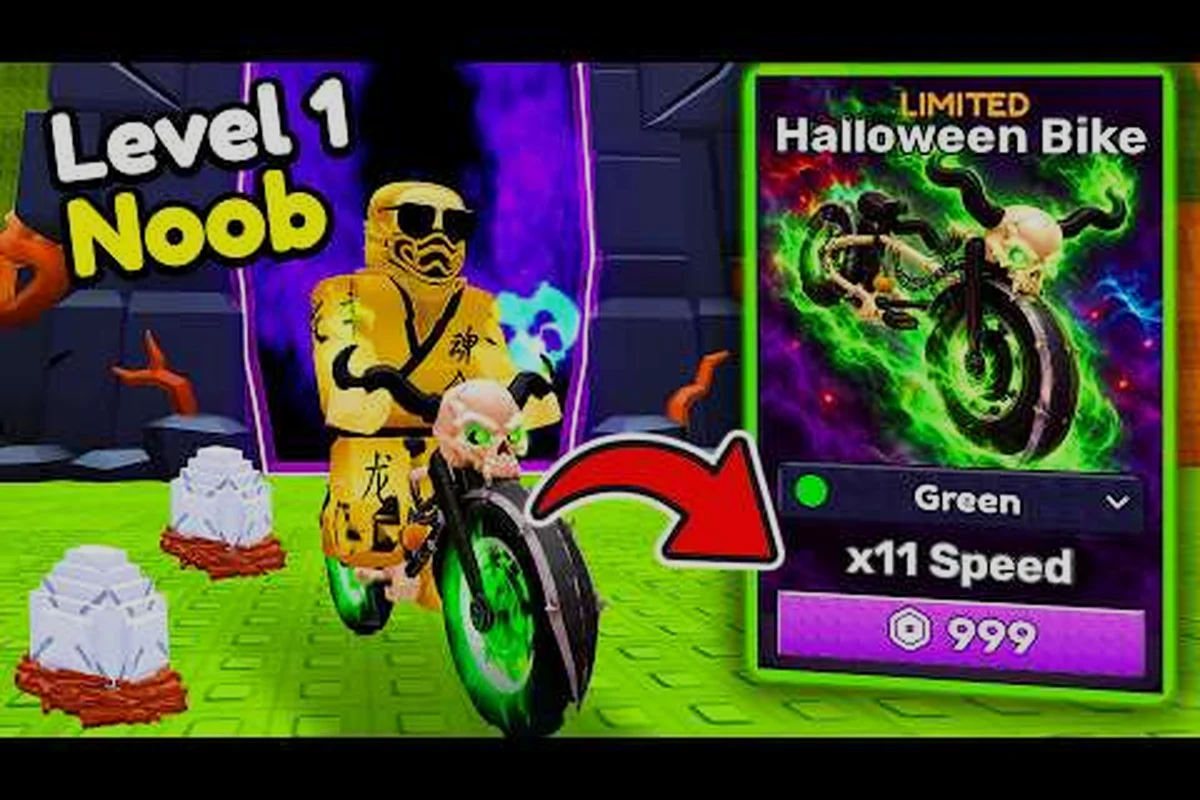
The Bike For Egg best bike upgrades are the single fastest way to shrink the map, and buying them in the wrong order wastes hours of egg hunting. This breakdown ranks every purchase by payback speed so your first big spend actually moves you forward.
Speed in this game is not cosmetic. Every tier you climb cuts travel time between egg spawns, which means more attempts per session and more money per hour. Spend badly and you stall at mid-tier prices with nothing to show for it. Spend well and the same play session that funded one bike funds the next one too.
For players who want to see these upgrade paths in action, the Bike For Egg upgrade showcase demonstrates how each bike tier and upgrade performs on the track.
Why Bike Upgrades Decide Your Whole Run
Bike For Egg is built around a simple loop: ride to a spawn point, grab an egg, ride back or ride onward. The bike is the only variable in that loop you can actually control, which is why the Bike For Egg bike meta treats speed as the primary stat and everything else as a bonus. A faster bike does not just save seconds — it changes which spawn routes are worth running at all.
Community testing consistently shows the same pattern. Players who buy a mid-tier bike early report reaching distant egg locations several minutes faster per run than players who hoard money for a single expensive purchase. That gap compounds across a session, and it is the reason the most expensive bike in the game is worth rushing rather than saving toward slowly.
Here is the core logic in plain terms: every coin you sink into a faster bike shortens the ride leg of the loop, and since the loop repeats dozens of times per session, that saved time converts directly into more eggs delivered and more cash earned per hour. A Halloween Bike with its event-boosted speed stats, for example, can shave a meaningful chunk off each round trip compared to a stock starter bike, so the upgrade effectively pays for itself before you have finished grinding back its purchase price at the bike shop.
-
Travel time is the bottleneck, not egg rarity or luck.
-
Each speed tier unlocks new routes that were previously too slow to justify.
-
Money spent on speed returns money faster than money held in reserve.
-
Cosmetic or handling-only upgrades do not accelerate the loop and should wait.
If you want the full progression picture beyond bikes alone, the noob to pro money and farm route covers how earning and spending interlock across a fresh account. The key detail that guide makes clear is sequencing: your first meaningful purchase should be a speed-tier bike from the bike shop, not a cosmetic skin or a handling tweak, because a faster bike raises your eggs-per-hour ceiling while cosmetics leave it untouched. Once that speed floor is set, every later upgrade — including event rides like the Halloween Bike — stacks on top of a loop that already pays for itself, rather than trying to fix a slow loop with one expensive purchase.
The Three Stats That Actually Matter
Every bike in the shop is described with a handful of numbers, but only three of them affect your income rate. Top speed determines how fast you cross open ground. Acceleration determines how quickly you recover after a turn or a collision. Handling determines whether you can hold a tight line through the cluttered spawn areas without losing momentum.
Of those three, top speed carries the most weight in the Bike For Egg bike guide 2026 discussion because the map's long straightaways dominate travel time. Acceleration is a close second on routes with frequent turns, while handling is mostly a comfort stat that matters more once you are already fast.
| Stat | Effect on Income | Priority |
|---|---|---|
| Top speed | Cuts long-distance travel time | Highest |
| Acceleration | Recovers speed after turns and bumps | High |
| Handling | Reduces crashes in tight spawn zones | Medium |
| Visual/cosmetic | No gameplay effect | Lowest |
Finding the Bike Shop and Reading Its Stock
The Bike For Egg bike shop location is not hidden, but new players routinely ride past it because it sits off the main egg route rather than on it. The shop is the vendor building with the bike display out front, and it is the only place where upgrades are purchased with in-game currency rather than earned through drops. Bookmark it mentally on your first lap of the map.
Stock rotates in tiers rather than unlocking all at once. You will see a starter bike, a couple of mid-tier options, and one premium ride whose price looks absurd on day one. That premium bike is the goal, not a trap — it is the purchase that most changes your route options. The bike upgrades and Halloween Bike unlock walkthrough goes deeper on how each tier becomes available.
How to Earn Money to Buy a Bike Without Grinding Blindly
The fastest route to your first real upgrade is not the highest-value egg on the map — it is the highest-value egg you can reach and return from reliably. Early on, that means short loops with consistent spawns. Later, once speed is up, it means long loops that were previously unprofitable.
Practical earning habits that community players report as reliable: treat each session as a loop audit rather than a shopping trip, since the egg-to-coin conversion on a known route beats a risky high-value spawn you cannot extract from. Bank roughly 1.5x the shop price of your target bike before entering the shop — this buffer absorbs a bad spawn run and stops you from settling for a mid-tier sidegrade that stalls your Halloween Bike savings. Track your coins-per-minute across three runs before committing to a longer loop; if the average drops below your short-loop baseline, the route is not yet worth the travel time.
-
Run a fixed loop until you know every spawn point on it by heart.
-
Bank a target number before visiting the shop so you do not buy a sidegrade.
-
Skip cosmetic purchases entirely until the top-tier bike is owned.
-
Sell or convert duplicates rather than letting inventory sit idle.
-
Time your sessions around whatever event multiplier is active.
If you are still deciding whether pets or bikes deserve your first big spend, the T-Rex price and earning power breakdown compares passive earners against the raw speed investment. The practical distinction: a T-Rex generates coins on a timer regardless of where you are, while every bike tier — from the starter frame up to the Halloween Bike — only pays back through faster loop completion and better egg-to-coin conversion. That means the pet wins if your play sessions are short or AFK-heavy, but the bike wins once you can chain long loops without dying, since speed compounds on every run while a pet's output stays flat.
Ranking the Bike Tiers by Payback Speed
Not every upgrade pays for itself at the same rate. A cheap bike that doubles your travel speed can return its cost faster than an expensive bike that only adds a small percentage. The table below ranks tiers by how quickly they earn back their price in normal play, based on community-reported session data rather than shop sticker price alone.
| Tier | Relative Cost | Speed Gain | Payback Speed | Verdict |
|---|---|---|---|---|
| Starter | Very low | Baseline | Immediate | Free starting point |
| Entry upgrade | Low | Moderate | Fast | Buy as soon as affordable |
| Mid tier | Medium | Strong | Fast-medium | Best value per coin |
| Upper mid | High | Strong | Medium | Buy if you are close |
| Premium | Very high | Highest | Slow at first, then dominant | Long-term target |
The pattern here is the reason the Bike For Egg best bike upgrades conversation rarely recommends skipping tiers. Each step is affordable relative to the money it unlocks, and skipping a step means grinding at a slower speed for longer than necessary. The one exception is the premium bike, which is worth rushing if you can reach its price without starving your egg-hunting loop.
When to Skip a Tier
There is one scenario where skipping makes sense: if you are already within a short grind of the premium bike and the mid-tier purchase would delay it by more than a couple of sessions. In that narrow case, holding your money and pushing straight to the top is faster overall. Outside that case, buy the next tier up as soon as you can afford it.
Halloween Bike Stats and Whether It Changes the Ranking
The Bike For Egg Halloween Bike stats are the most-asked question in the bike meta right now, and the answer is that it is a premium-tier ride with event-flavored visuals and top-end speed that matches or slightly exceeds the standard premium bike. It does not replace the tier ladder — it sits at the top of it.
What matters for spending decisions is that the Halloween Bike is a destination, not a shortcut. You still need the money, and you still benefit from every tier below it on the way up. Players who treat the event bike as a reason to stop upgrading entirely end up grinding the same slow loop for the whole event window.
| Consideration | Standard Premium | Halloween Bike |
|---|---|---|
| Speed tier | Top | Top (equal or slightly higher) |
| Availability | Always in shop | Event window |
| Visual style | Standard | Event-themed |
| Effect on route options | Unlocks long loops | Same, plus event spawns |
| Recommended for | Long-term accounts | Anyone playing during the event |
Community reports suggest the event bike pairs well with event-specific egg spawns, which can make it slightly more valuable during the window than its raw stats imply. If you are weighing it against other event content, the Halloween pet tier list update covers which pets complement a fast bike setup.
Should You Buy the Halloween Bike First?
Only if you can afford it without selling off everything else. For most accounts, the correct answer is to keep climbing the normal ladder and let the event bike be the final purchase rather than the first. The speed difference between upper-mid and premium is real but small compared to the difference between starter and entry upgrade.
A Practical Spending Order for New Accounts
Here is the order that community players and the Bike For Egg bike guide 2026 consensus both point toward, and it tracks the egg-per-minute math behind every tier jump. Follow it top to bottom and you will never be stuck riding a slow bike with a full wallet. The sequence matters because each purchase only pays for itself once you can actually clear a longer route: the entry upgrade is cheap enough to buy after one or two starter-loop runs, but mid tier only makes sense after your bankroll and route knowledge catch up. Skip a step and you either waste coins on a bike you cannot leverage yet or delay the premium grind by several sessions.
-
Ride the starter bike until you know one reliable egg loop by heart.
-
Bank the entry upgrade price without spending on cosmetics.
-
Buy the entry upgrade immediately — it is the highest-return purchase in the game.
-
Run a longer loop that the new speed makes viable.
-
Save for mid tier and buy it the moment you can.
-
Evaluate upper mid — buy only if it does not delay premium by more than two sessions.
-
Push for premium or the Halloween Bike as your long-term target.
The logic behind step six is the only place where judgment matters, because it sits directly between the guaranteed mid-tier return and the premium grind. Everything else is mechanical: buy the next tier, then use the speed to earn the next one faster. Upper mid is the trap step — its price is steep enough that overspending can push your premium or Halloween Bike target back three or four sessions, while its speed gain over mid tier rarely clears a longer egg loop fast enough to repay that delay. If your bankroll after buying mid tier already covers most of the upper-mid price and you can clear a route that pays noticeably more per run, the purchase pays for itself; if you would need to grind the same loop for several sessions just to afford it, skip straight to saving for premium.
Mistakes That Cost Real Time
-
Buying cosmetics before speed — the single most common early mistake.
-
Hoarding for premium from the starter bike — you grind at half speed for the entire save.
-
Ignoring acceleration — a fast bike that takes forever to recover still loses time in cluttered zones.
-
Skipping the shop entirely — some players never realize upgrades exist until they are deep into the game.
Reading Your Own Numbers to Confirm the Upgrade Paid Off
The best way to validate a purchase is to time one loop before and after. Pick a route you can run consistently, note how long it takes on your current bike, then repeat it after upgrading. A meaningful upgrade should cut that time noticeably — if it does not, you either bought a sidegrade or your route is too short to show the difference.
Community data on this is fairly consistent: speed upgrades show the largest gains on long, open routes and the smallest gains on tight, turn-heavy ones. That is not a reason to avoid upgrading — it is a reason to shift your farming route toward longer loops once your bike is fast enough to make them efficient.
| Route Type | Gain From Speed Upgrade | Best For |
|---|---|---|
| Short, tight loop | Small | Early game, learning spawns |
| Medium mixed loop | Moderate | Mid game, steady income |
| Long open loop | Large | Late game, premium bike |
If your pet lineup is also competing for the same currency, the pet storage limits guide breaks down slot-by-slot costs so you can see exactly when an extra pet slot pays for itself versus when that same spend should go toward the next bike tier. As a rule of thumb, if your timed loop is still clearing under the medium mixed-loop benchmark from the table above, the bike upgrade wins — a faster bike compounds every future run, while a pet slot only matters once you are already farming long open loops fast enough to keep multiple pets fed and leveled.
Frequently Asked Questions
What are the best bike upgrades to buy first in Bike For Egg?
Buy the entry-tier upgrade as soon as you can afford it, because it delivers the largest speed gain per coin of any purchase in the shop. Skipping it to save for a premium bike means grinding at roughly half speed for the entire early game, which costs far more time than the coins you saved.
Where is the bike shop located?
The shop is the vendor building with the bike display out front, positioned slightly off the main egg route rather than directly on it. Most new players ride past it on their first lap, so it helps to deliberately detour toward it once so you know exactly where it sits.
Do Halloween Bike stats beat the standard premium bike?
Community reports put the Halloween Bike at or slightly above the standard premium tier in top speed, with event-themed visuals as the main difference. It is not a shortcut around the tier ladder, though — you still need the money, and the tiers below it still pay for themselves on the way up.
How do I earn money to buy a bike faster?
Run a fixed loop you know by heart rather than chasing the highest-value egg on the map, bank a target amount before visiting the shop, and skip cosmetics entirely until you own a top-tier bike. Speed upgrades then compound, because a faster bike reaches more spawns per session.
Is it ever worth skipping a bike tier?
Only when you are already within a session or two of affording the premium bike and the mid-tier purchase would delay it significantly. In every other case, buying the next tier up immediately is faster overall, since the speed gain accelerates the grind that funds the following purchase.
The takeaway is straightforward: treat speed as your income multiplier, buy the next affordable tier every time, and let the premium or Halloween Bike be the finish line rather than the starting point. Accounts that follow that order reach long-loop farming far sooner than accounts that hoard.