
Mutations
Mutations and size variants in Bike For Egg!: how mutations roll on hatch, what different pet sizes mean for value and how to hunt rare variants.
Introduction
Mutations and size variants are the system behind the official promise of "rarer eggs, pets, sizes and mutations." Every hatch rolls not just the pet and its rarity but also the chance of special variants: a different size, a mutated look, or both. The size promise is explicit in official guide text — pets come in multiple sizes — and mutations appear as special rolls that collectors hunt as an end-game goal. Mutations stack with rarity, so a mutated Divine Unicorn is vastly more valuable than a common one. This page explains how the variant system works, what size differences mean for value, and how to farm mutated pets without pretending drop odds are official.
Mutation & Size Variants
| Variant | What It Is | How to Get | Value Signal |
|---|---|---|---|
| Size variants | Pets come in multiple sizes | Automatic roll on hatch | Bigger sizes are rarer-looking and more collectible |
| Mutation rolls | Special variant applied to a pet | Hatch-time variant chance | Mutations are core collector targets |
| Rarity × mutation | Mutation stacked on a rare pet | Rare hatch plus variant roll | A mutated Divine Unicorn is a major flex |
| Collection value | Variants count toward Index pages | Each variant you hatch | Rarer sizes and mutations complete collection pages |
Variant Guide
Size variants
The confirmed fact that pets come in multiple sizes
Mutation rolls
Special variant rolls that collectors hunt as end-game goals
Mutated Divine Unicorn
Mutation stacked on the meta Divine pet
Collection value
How variants complete Animal Index pages
Core Mechanics
Mutations roll during the hatch process, on top of the base pet and its rarity. After the game decides what pet you hatched, a second layer can apply a special variant — a mutated look or a different size. Official guide text confirms the size claim directly, stating that pets come in multiple sizes, and the game's own description promises "rarer eggs, pets, sizes, and mutations" as the discovery curve. Because every hatch is an independent roll, the practical path to variants is volume: hatch more eggs and your chances of seeing one go up. Variants are not purely cosmetic — they feed the collection system, count toward Animal Index pages and make a pet more valuable to show off. The precise odds of any mutation or size are not published, so players treat hunting them as a long-term collection project rather than a targeted grind.
Advantages
Understanding mutations turns random hatches into a deliberate collection strategy. Once you know that size and mutation rolls happen at hatch time, you stop selling off odd pets and instead evaluate them as potential flex items. Pairing mutations with rarity is the key insight — a mutated Divine Unicorn is vastly more valuable than a common one, so high-rarity hatches with variants are your prize targets. Collectors can also use variants to complete Animal Index pages, since rarer sizes and mutations often count toward full collection entries. The system also explains why the official text keeps listing mutations: they extend the loot loop long after you have seen every base pet. Knowing the mechanics prevents wasted trades and helps you recognize which hatches are actually rare.
Challenges
The exact mutation and size odds in Bike For Egg! are not officially published, so any percentage you find is a community estimate. The official text confirms that sizes and mutations exist, but it does not quantify them, which means farming advice is directional rather than precise. Because variants are hatch-time rolls, they cannot be targeted the way a specific egg source can — you can only increase volume and hope. Mutation data also ages quickly: new pets and event variants arrive with seasonal patches, so a mutated pet that feels rare today may be more common after the next event. We clearly label community estimates so readers do not mistake working models for confirmed drop rates.
Frequently Asked Questions
What exactly is a mutation in Bike For Egg!?+
Do pets really come in different sizes?+
How do I get a mutated Divine Unicorn?+
Quick Tips
Never discard odd variants. Size and mutation hatches can be worth more than a plain duplicate of a higher-tier pet, because collectors and Index pages care about variants, not just base forms. Before you trade or delete anything unusual, check whether it fills a gap in your Index or your flex collection.
Watch for mutated versions of already-rare pets like the Divine Unicorn. Rarity plus variant multiplies collection value far beyond a single stat, so a variant Divine is a much bigger prize than a plain one. Treat every rare hatch as a chance to land the doubled jackpot. The double roll makes every rare hatch a mini lottery with a much higher ceiling than a normal one.
Treat mutation hunting as volume play. Since official odds are unpublished, hatching more eggs is the only reliable way to see more variant rolls, so build Speed and farm egg sources that let you hatch in bursts. Consistency beats luck when every hatch is an independent virtual coin flip. Steady egg volume converts your playtime into the most variant rolls over a whole week.
Featured
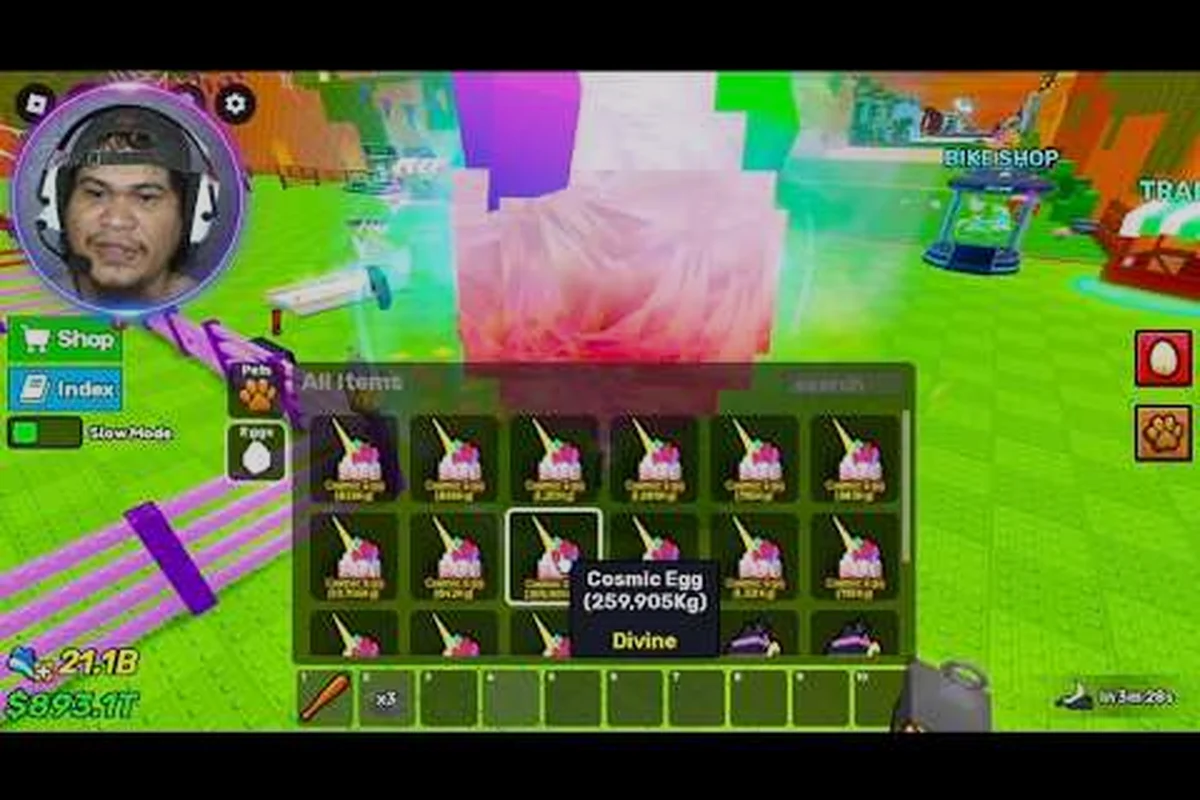
Bike For Egg! Best Mutation Tier: Size and Color Ranked
Rank the Bike For Egg best mutation tier by comparing size and color variants, so you know which mutated pets deserve a permanent collection slot.

Bike For Egg! Max Mutation Size and Extreme-Size Value
Push toward the Bike For Egg max mutation size with real extreme-size pulls, and see how a mutated Unicorn's value climbs once the size roll lands at the ceiling.

Bike For Egg! Mutation Guide 2026: System and Odds
Get the full Bike For Egg mutation guide 2026: how the variant system picks each roll, where egg mutation chance comes from, and how to raise it.
All Articles
Bike For Egg! Mutations: Odds and How Rolls Work
Understand Bike For Egg mutations and how size and variant rolls fire on each hatch, with the odds and chances behind every rare pull.
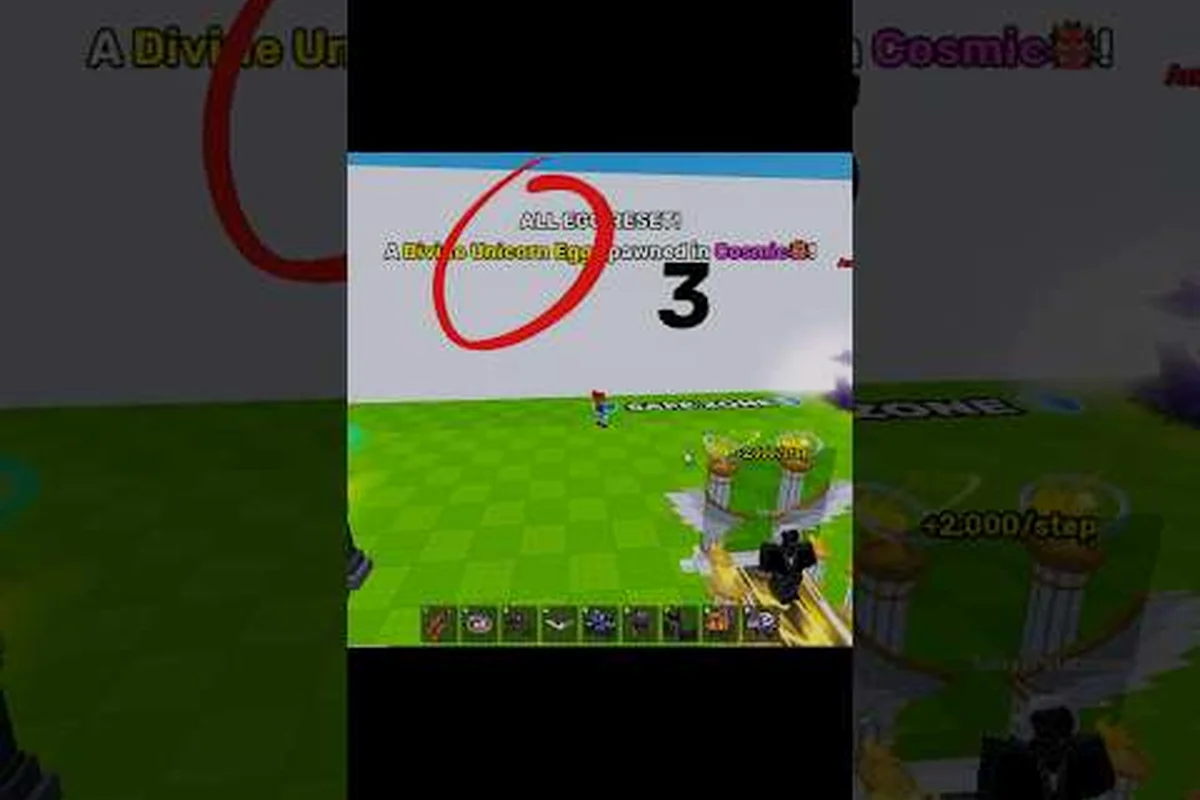
Bike For Egg! Rare Mutations: Giant, Tiny and Special Variants
Chase Bike For Egg rare mutations with a look at giant and tiny pet sizes, special variants, and the Divine Unicorn pulls that show how far a rare roll can go.
Bike For Egg! Rarest Mutation: Divine and Eternal Rolls
Hunt the Bike For Egg rarest mutation by learning which Divine, Secret and Eternal variants top the list, plus farming habits that earn more jackpot rolls.
Bike For Egg! Size Chart: Biggest Pets and Their Value
Read the Bike For Egg size chart from tiny pets to giant ones, see how bigger sizes boost earnings, and which mutations pay the most cash.